Enterprise-Level Technology. Built for Small and Mid-Sized Hospitals.
Access the AI and tech capabilities that larger hospitals have—without the cost barriers. Collaborative pilots. Custom solutions. Zero upfront investment.

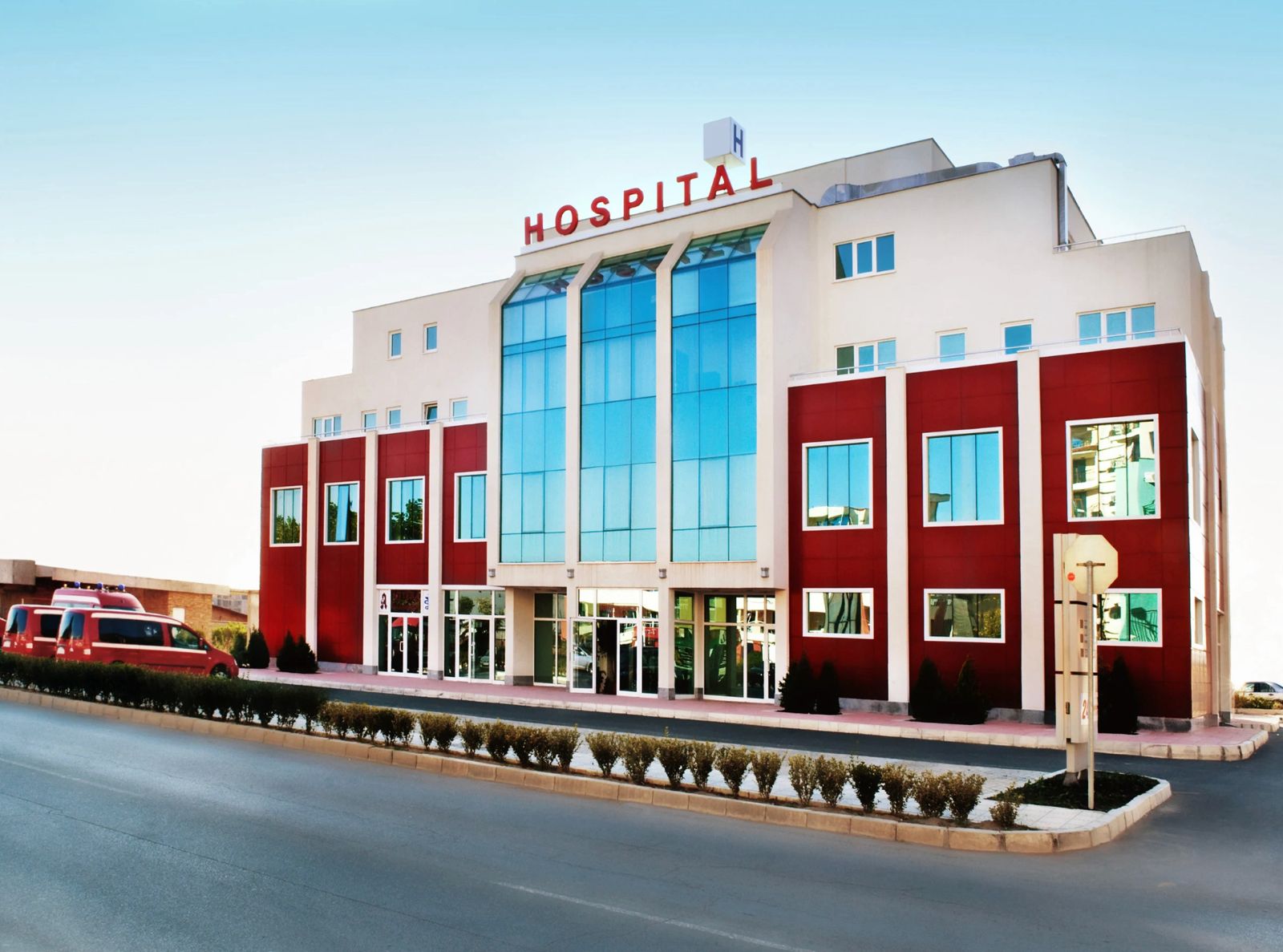
Why This Initiative
Small and mid-sized hospitals in India face a fundamental challenge: they don't have access to the technology expertise and AI capabilities that larger hospital systems take for granted.
Corporate hospitals have dedicated IT teams, CIOs, CTOs, and budgets to pilot new technology. A 75-bed hospital in a tier-2 city doesn't. Yet both face the same operational pressures—rising costs, insurance complexity, staffing challenges, patient expectations, quality standards.
Technology and AI have real potential to solve these problems. But access is uneven. Good tech talent is expensive. Hospitals don't know which solutions to trust or how to implement them. Tech teams don't understand hospital workflows well enough to build useful products.
This initiative exists to bridge that gap. We bring hospitals and technology teams together to co-develop AI and digital solutions that actually work—custom-built for real workflows, tested in real hospital settings, and designed to solve real problems.
How Tech & AI Can Transform Hospital Operations
When implemented thoughtfully, technology and AI can be foundational pillars for sustainable hospital growth:
Operational Efficiency
Automate repetitive tasks, optimize scheduling, reduce manual errors, and free up staff time for patient care.
Revenue Growth
Faster insurance claim processing, better billing accuracy, reduced revenue leakage, and improved collection cycles directly impact the bottom line.
Cost Optimization
Smarter inventory management, demand forecasting, and supply chain visibility reduce waste and lower operational costs.
Better Patient Care
Clinical decision support, faster diagnostics, improved care coordination, and proactive patient engagement lead to better outcomes.
Quality & Compliance
Automated documentation, quality tracking, and process adherence make meeting NABH and other standards manageable.
Data-Driven Decisions
Real-time dashboards and analytics give hospital leadership visibility into what's working and where improvements are needed.
For small and mid-sized hospitals specifically, these aren't luxuries—they're becoming necessities to remain competitive and sustainable as Indian healthcare evolves.
Where AI & Tech Can Make an Impact
Technology can improve hospital operations across multiple areas:
Patient Engagement & Experience
- •Appointment booking and reminders
- •Patient communication via chatbots and automated follow-ups
- •Feedback collection and sentiment analysis
- •Digital patient education and care instructions
Clinical Workflows
- •Clinical decision support tools
- •Automated discharge summaries and documentation
- •Lab report integration and alerts
- •Medical image analysis and diagnostics support
Billing & Revenue Cycle
- •Insurance claim automation and tracking
- •Billing error detection and correction
- •Revenue cycle analytics
- •Payment collection optimization
Operations & Supply Chain
- •Inventory management and demand forecasting
- •Procurement automation
- •Equipment maintenance scheduling
- •Resource allocation and bed management
Quality & Compliance
- •NABH documentation and tracking
- •Infection control monitoring
- •Clinical protocol adherence
- •Patient safety incident reporting
Business Intelligence
- •Financial dashboards and KPI tracking
- •Operational performance analytics
- •Department-wise profitability analysis
- •Predictive models for patient volume and staffing
We don't impose solutions. Each hospital identifies 2-3 priority areas based on their specific challenges, and we build from there.
How This Collaboration Program Works
We run this in structured 6–12 month cycles, with clear goals and participation from all departments.
- We select hospitals (mostly 50–100 beds) who are open to process improvement, transparency, and collaborative work.
Each cohort is supported by specialists across:
- hospital owners and administrators
- quality and NABH teams
- nursing leaders
- billing & insurance teams
- HIMS and workflow specialists
- AI engineers & software developers
- data and business analysts
This ensures every workflow has inputs from people who actually run it daily.
Across all hospitals, we analyse workflows and shortlist 2–3 high-impact areas that can be solved using AI or workflow software. These use cases are chosen based on:
- feasibility
- financial impact
- operational relevance
- leadership buy-in
- staff readiness
- Tech teams and hospital representatives collaborate closely to create a working product.
- Every feature is validated directly with hospital teams.
Implementation is hand-held. We support:
- adoption
- training
- iterative feedback loops
- leadership alignment
Without change management, most tech projects fail. So we treat this as a core part of the program.
After deployment, we review:
- time saved
- revenue protected
- errors reduced
- satisfaction of hospital teams
- patient experience improvements
Then the next cycle begins.
Technology. Business.
Workflow Expertise.
Navig Health brings together a diverse team:
Grounded in Real Operations
We evaluate hospital workflows in detail to ensure each pilot is grounded in real, day-to-day operations. Our team looks at:
This ensures the solution is not theoretical — it fits how hospitals actually work.
Commitment From Hospitals
(Leadership Buy-In)
This entire model works only when hospital leadership is aligned. We require:

Cost & Sustainability
of the Program
This ensures long-term sustainability for both hospitals and tech partners.
The first-year collaboration (pilot cycle) is free for hospitals.
This includes workflow mapping, expert sessions, solution-building, and deployment support.
After the solution matures and moves into ongoing use, the tech teams may introduce a SaaS subscription model.
Hospitals participating in the pilot cohort will receive significantly discounted pricing (up to 50% lower) since they played a role in shaping the product.
Everyday Tech, Automation & AI Learning Lab for Hospitals
Hands-on guidance for practical use of technology, automation, and AI in everyday hospital work. Learn to use open tools like ChatGPT, Gemini, and Claude to reduce manual effort and improve efficiency.
This Learning Lab helps hospital teams build internal capabilities through bi-weekly webinars and quarterly workshops focused on real hospital scenarios.
Explore Learning LabFocus Areas:
- •Nursing & ward operations
- •Admin & coordination
- •Billing & insurance
- •Quality & compliance

Launch: TBD
Hospitals, Join the
Next Cohort.
If you're a hospital interested in being part of this initiative, we want to hear from you.
Ideal Participants:
- ✓50-100 bed hospitals or specialty clinics
- ✓Leadership committed to digital transformation
- ✓Willing to invest time in the collaborative process
- ✓Open to piloting new approaches
- ✓Interested in sharing learnings with peer hospitals
Questions? Email us at coreteam@navighealth.com with "AI-Tech Hospital Collaboration" in the subject line.
Ready to Join the
Navig Community?
Whether you're a hospital looking for technology support, a clinician interested in innovation, or a tech team wanting clinical validation - we'd like to hear from you.
Share a bit about yourself and we'll reach out.